
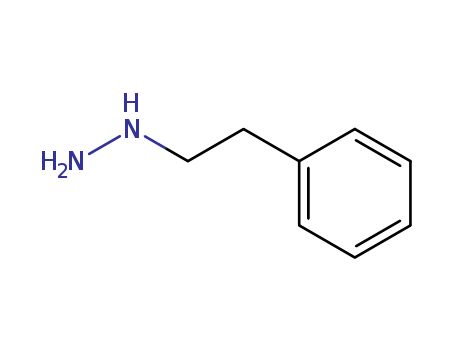
Phenelzine
Contact usReputable manufacturer supply Phenelzine 51-71-8 in stock with high standard
- Molecular Formula: C8H12 N2
- Molecular Weight: 136.197
- Melting Point: 25°C
- Refractive Index: nD20 1.5494
- Boiling Point: 281.4 °C at 760 mmHg
- PKA: 8.01±0.70(Predicted)
- Flash Point: 143.7 °C
- PSA: 38.05000
- Density: 1.01 g/cm3
- LogP: 1.78360
Phenelzine(Cas 51-71-8) Usage
|
Therapeutic Function |
Psychostimulant |
|
Mechanism of action |
Phenelzine is a hydrazine MAOI. Its mechanism of action is the prolonged, nonselective, irreversible inhibition of MAO. Phenelzine has been used with some success in the management of bulimia nervosa. The MAOIs, however, are potentially dangerous in patients with binge eating and purging behaviors, and the American Psychiatric Association states that MAOIs should be used with caution in the management of bulimia nervosa. |
|
Safety Profile |
Poison by ingestion, intraperitoneal, and subcutaneous routes. Human systemic effects by ingestion: ataxia, somnolence. An experimental teratogen. Experimental reproductive effects. Mutation data reported. Used as an antidepressant. When heated to decomposition it emits toxic fumes of NOx. |
|
Synthesis |
Phenelzine, 2-phenylethylhydrazine (7.2.1), is synthesized by reacting 2-phenylethylbromide with hydrazine [42–45]. |
|
Drug interactions |
Potentially hazardous interactions with other drugs Alcohol: some alcoholic and dealcoholised drinks contain tyramine which can cause hypertensive crisis. Alpha-blockers: avoid with indoramin; enhanced hypotensive effect. Analgesics: CNS excitation or depression with pethidine, other opioids and nefopam - avoid; increased risk of serotonergic effects and convulsions with tramadol - avoid. Antidepressants: enhancement of CNS effects and toxicity. Care with all antidepressants including drug free periods when changing therapies. Antiepileptics: antagonism of anticonvulsant effect; avoid carbamazepine with or within 2 weeks of MAOIs. Antimalarials: avoid with artemether/lumefantrine and piperaquine with artenimol. Antipsychotics: effects enhanced by clozapine. Atomoxetine: avoid concomitant use and for 2 weeks after use. Bupropion: avoid with or for 2 weeks after MAOIs. Dapoxetine: risk of hypertensive crisis - avoid. Diuretics: avoid with indoramin. Dopaminergics: avoid with entacapone and tolcapone; hypertensive crisis with levodopa and rasagiline - avoid for at least 2 weeks after stopping MAOI; hypotension with selegiline. 5HT1 agonist: risk of CNS toxicity with sumatriptan, rizatriptan and zolmitriptan - avoid sumatriptan and rizatriptan for 2 weeks after MAOI. Methyldopa: avoid concomitant use. Opicapone: avoid concomitant use. Sympathomimetics: hypertensive crisis with sympathomimetics - avoid with methylphenidate. Tetrabenazine: risk of CNS excitation and hypertension avoid. |
|
Environmental Fate |
MAOIs are available orally. Accidental or intentional ingestion are the most common routes of exposure. |
|
Metabolism |
Phenelzine is metabolised in the liver by oxidation via monoamine oxidase, and is excreted in the urine almost entirely in the form of metabolites. |
|
Toxicity evaluation |
Monoamine oxidase is the enzyme principally responsible for degradation of amine neurotransmitters (norepinephrine, epinephrine, serotonin, and dopamine). There are two isoenzymes of monoamine oxidase: monoamine oxidase A (MAO-A) and MAO-B. MAO-A preferentially deaminates serotonin, norepinephrine, and epinephrine as well as dietary vasopressors such as tyramine. MAO-B preferentially deaminates dopamine and phenethylamine. MAOIs block the monoamine oxidase enzymes leading to neurotransmitter accumulation. The older MAOIs such as phenelzine, tranylcypromine, and isocarboxazid were irreversible and nonselective and inhibited both MAO-A and MAO-B. Moclobemide is a reversible MAO-A inhibitor used in the treatment of depression. Selegiline and rasagiline are irreversible selective MAO-B inhibitors and are approved to treat Parkinson’s disease. MAOIs do not have any effect on monoamine oxidase production. Once irreversibly blocked, the monoamine oxidase enzyme level then regenerates over many weeks. MAOIs may also stimulate the release of norepinephrine from some nerve endings while having a sympatholytic effect at postganglionic terminals. Since selegiline is MAO-B selective, its use does not result in as many drug–drug and drug–food interactions as the other MAOIs. |
InChI:InChI=1/C8H12N2/c9-10-7-6-8-4-2-1-3-5-8/h1-5,10H,6-7,9H2
51-71-8 Relevant articles
Benzene second grade jing synthetic method (by machine translation)
-
Paragraph 0008-0010, (2018/06/04)
The invention provides a method for synt...
Synthesis method of phenelzine
-
Paragraph 0007; 0008; 0009; 0010, (2018/08/04)
The invention relates to a synthesis met...
51-71-8 Process route
-
-
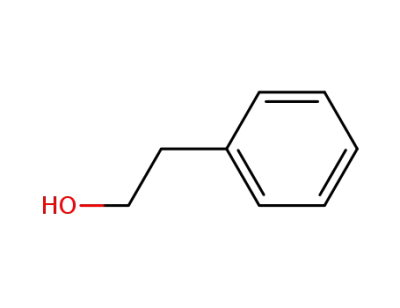
60-12-8
2-phenylethanol

-
-
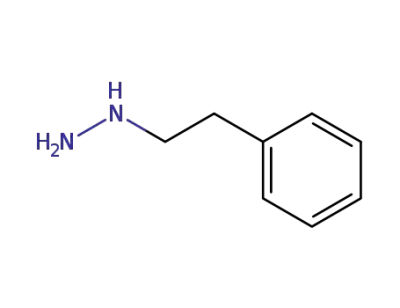
51-71-8
Phenelzine
| Conditions | Yield |
|---|---|
|
Multi-step reaction
with
2
steps
1: PCl5
2: ethanol; hydrazine hydrate
With
ethanol; phosphorus pentachloride; hydrazine hydrate;
|
|
|
With
sodium hexametaphosphate; hydrazine hydrate;
at 120 ℃;
Temperature;
|
258.7 g
|
|
With
hydrazine hydrate;
at 120 ℃;
Temperature;
|
259.2 g
|
-
-
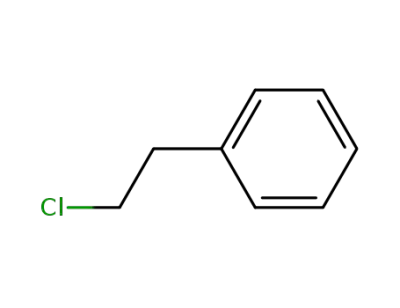
622-24-2
2-phenylethyl chloride
-
-
51-71-8
Phenelzine
| Conditions | Yield |
|---|---|
|
With
hydrazine;
|
|
|
With
hydrazine hydrate;
In
propan-1-ol;
Heating;
|
|
|
With
hydrazine hydrate;
In
isopropyl alcohol;
Heating;
|
51-71-8 Upstream products
-
622-24-2
2-phenylethyl chloride
-
103-63-9
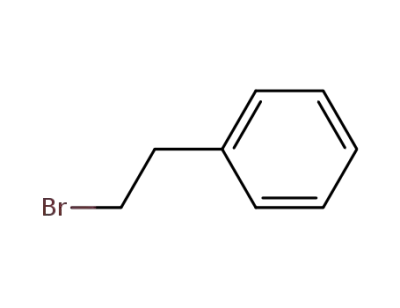
1-phenyl-2-bromoethane
-
60-12-8
2-phenylethanol
51-71-8 Downstream products
-
98636-67-0
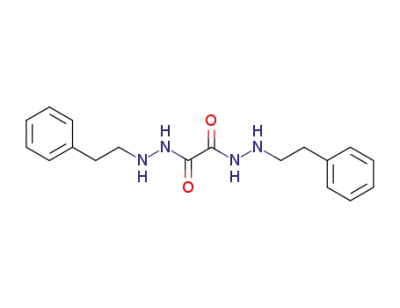
oxalic acid bis-(N '-phenethyl-hydrazide)
-
2532-31-2
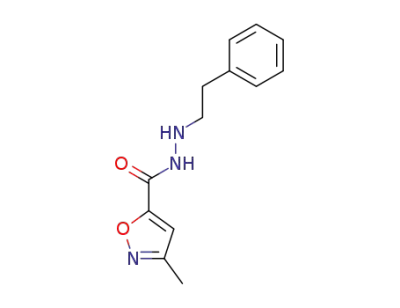
3-methyl-isoxazole-5-carboxylic acid N '-phenethyl-hydrazide
-
91054-88-5
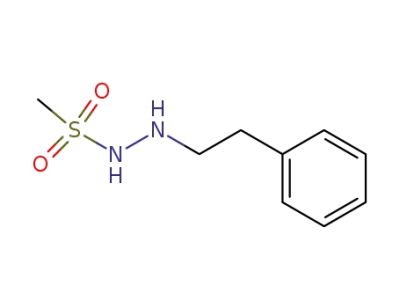
2-Methansulfonyl-1-phenethyl-hydrazin
-
91054-87-4
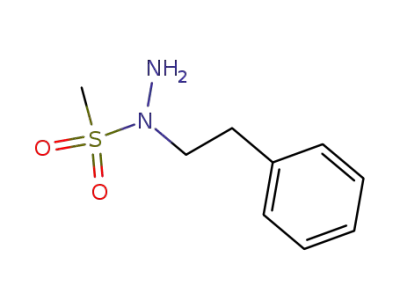
1-Methansulfonyl-1-phenethyl-hydrazin
Other Customizd Materials
-
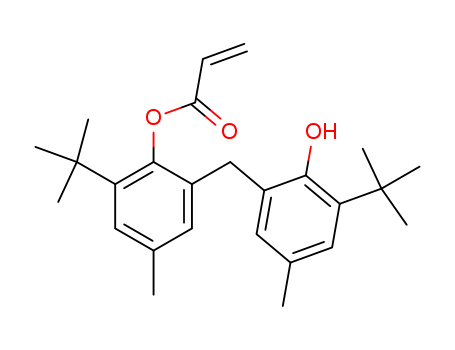
IRGANOX 3052
CAS:61167-58-6
-
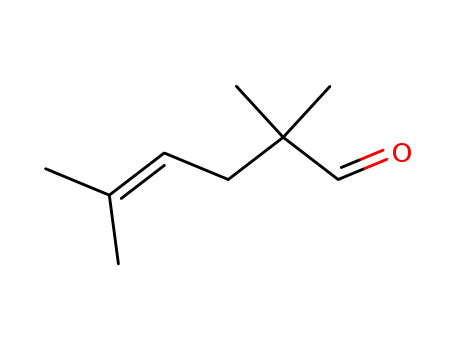
2,2,5-trimethylhex-4-enal
CAS:1000-30-2
-
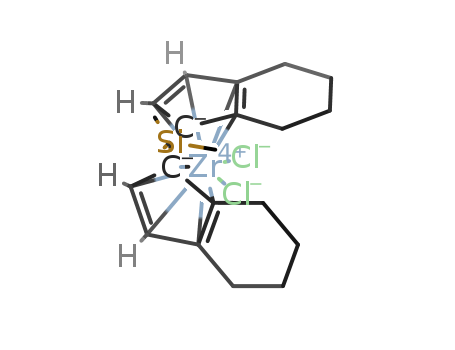
RAC-DIMETHYLSILYLENEBIS(4,5,6,7-TETRAHYDRO-1-INDENYL)ZIRCONIUM(IV) DICHLORIDE
CAS:126642-97-5
-
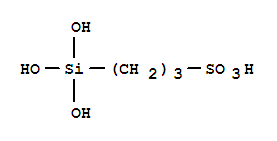
3-(TRIHYDROXYSILYL) PROPANE-1-SULFONIC ACID
CAS:70942-24-4
-
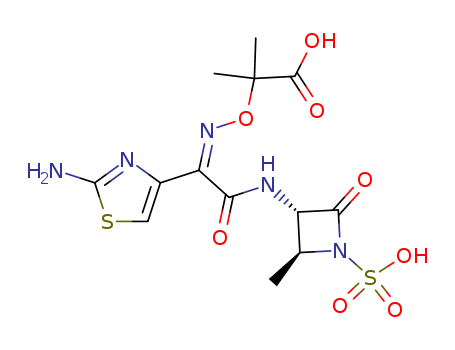
Aztreonam
CAS:78110-38-0
-
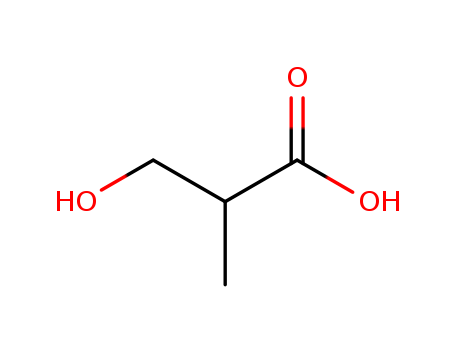
3-hydroxy-2-methylpropanoic acid
CAS:2068-83-9
-
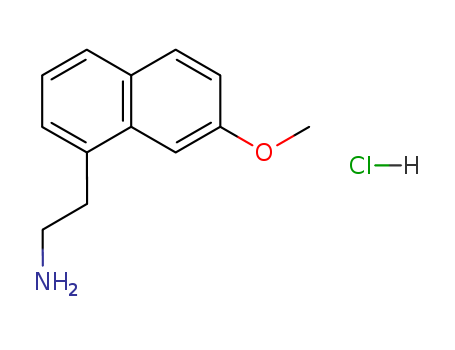
2-(7-Methoxy-1-naphthyl)ethylamine hydrochloride
CAS:139525-77-2
-

ARND'S ALLOY
CAS:51636-39-6
NEWSLETTER
For inquiries About Our Products, Please Leave Your E-Mail To Us And We will Contact You Within 24 Hours.